
The Art of Changing the Subject Without You Noticing You ask a straightforward question:“Why did the project go over budget?” The response:“Well, what we should really be talking about is how hard the team has been working and how much progress we’ve made.” That may sound relevant—but it doesn’t actually answer the question. Welcome to […]
You are browsing archives for
Category: Informal Fallacy
Loaded Language

How Words Quietly Shape What You Believe Imagine two headlines about the same proposal: Same policy. Completely different reactions. What changed? Not the facts—just the words. That’s the loaded language fallacy: using emotionally charged or biased wording to influence how people think about an issue, without changing the underlying evidence. What Is Loaded Language? Loaded […]
Appeal to Authority (Argumentum ad verec...

When Expertise Gets Misused “Trust me—I’m a doctor.” It’s a powerful line. Authority carries weight. We rely on experts every day—scientists, physicians, engineers—to help us understand complex issues. But what happens when authority is used in place of evidence, or when the “expert” isn’t actually qualified in the relevant field? That’s the appeal to authority […]
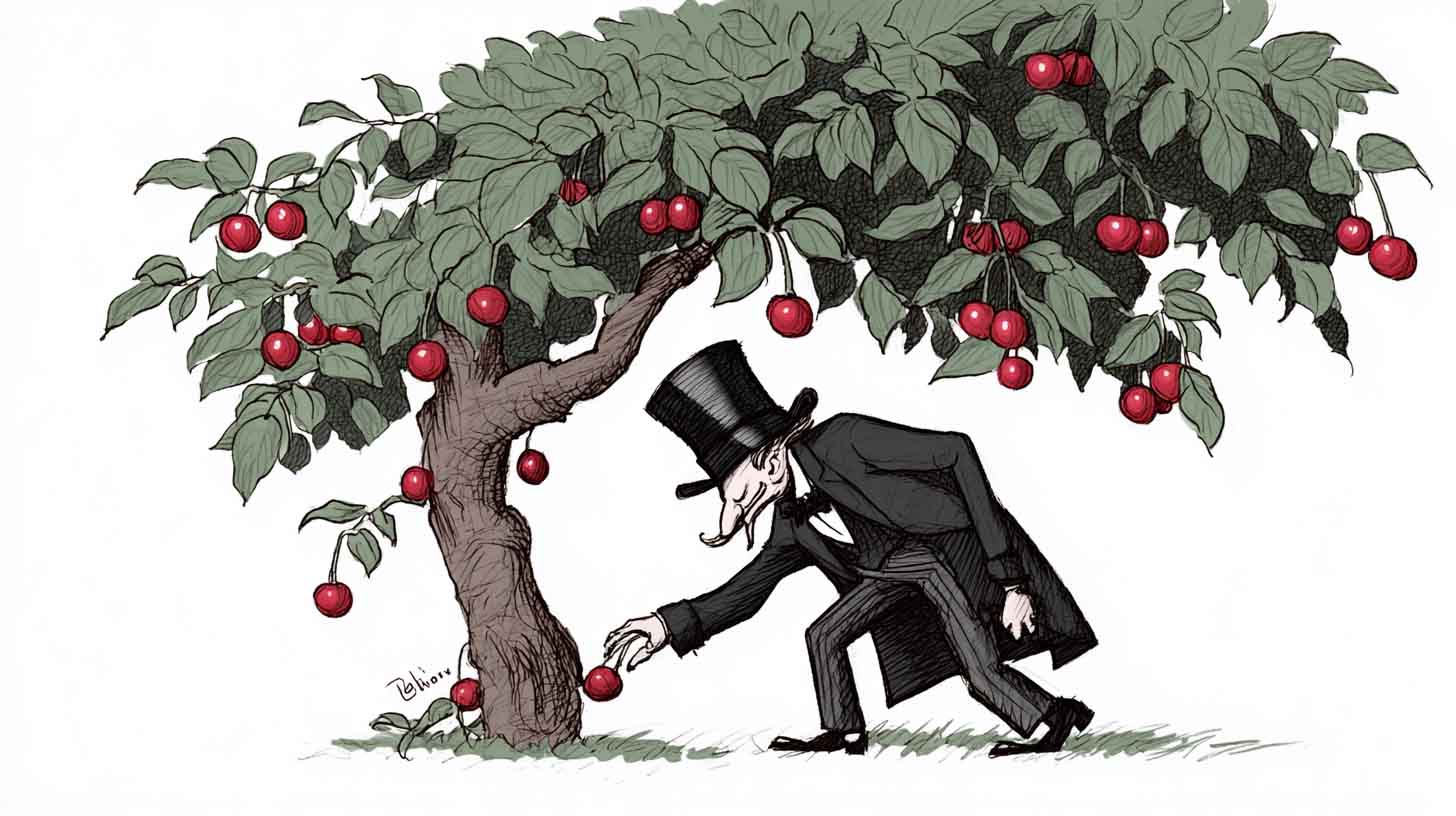
Cherry Picking (Suppressio veri)

How Selective Facts Create Misleading Truths Imagine someone tells you, “This company had its best quarter ever—profits are up 40%!” Sounds impressive, right? But what if they forgot to mention that the previous three years were losses… and this “record quarter” still doesn’t make up the difference? Welcome to the cherry-picking fallacy—one of the most […]
The Appeal to Emotion (Argumentum ad pas...





When Feelings Replace Facts Picture this: a dramatic commercial shows a slow-motion scene of a worried parent, a vulnerable child, and a voiceover that warns, “If you don’t act now, everything you love could be at risk.” You feel something immediately—concern, urgency, maybe even fear. But here’s the key question: what evidence was actually presented? […]