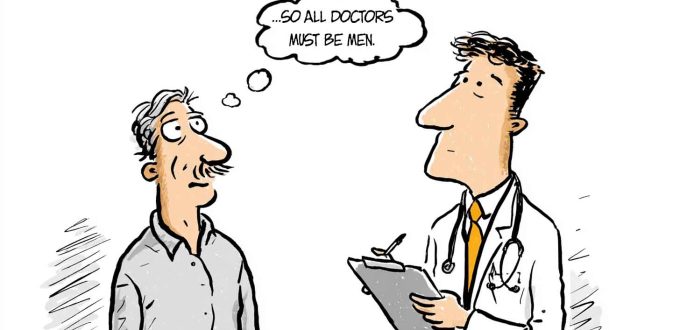
When a Few Examples Become “Proof”
You try a new restaurant once. The service is slow, the food is disappointing, and you leave frustrated.
Later, you tell a friend:
“That place is terrible.”
But is it really?
What you’ve just done is make a hasty generalization—drawing a broad conclusion based on limited evidence.
What Is a Hasty Generalization?
A hasty generalization occurs when someone makes a sweeping claim based on too little data.
Instead of:
“I had one bad experience…”
You get:
“This place is always bad.”
The problem isn’t the experience—it’s the leap from one instance to a universal conclusion.
Why It Works
Our brains are built to generalize.
From an evolutionary standpoint, it made sense: if one berry made you sick, avoid that kind of berry in the future. Quick conclusions could keep you safe.
But in modern life, that same instinct can lead us to overgeneralize from small samples, especially when:
- The experience was emotional
- The example was vivid or memorable
- We want a quick, simple judgment
In short, a few strong impressions can feel like solid evidence—even when they’re not.
A Real-World Example (and Why It’s So Entertaining)
A classic—and surprisingly relatable—example comes from airline travel.
Someone flies with a particular airline once. The flight is delayed, the luggage is lost, and the in-flight service is less than stellar.
The conclusion?
“That airline is the worst. Never fly them.”
It’s a confident statement—but based on a sample size of one.
In reality:
- Airlines operate thousands of flights daily
- Delays and mishaps can happen due to weather, logistics, or external factors
- One bad experience doesn’t represent the entire system
What makes this example entertaining is how often we’ve all done it. One frustrating moment turns into a permanent verdict.
And the next time the airline comes up in conversation, that single story becomes “evidence.”
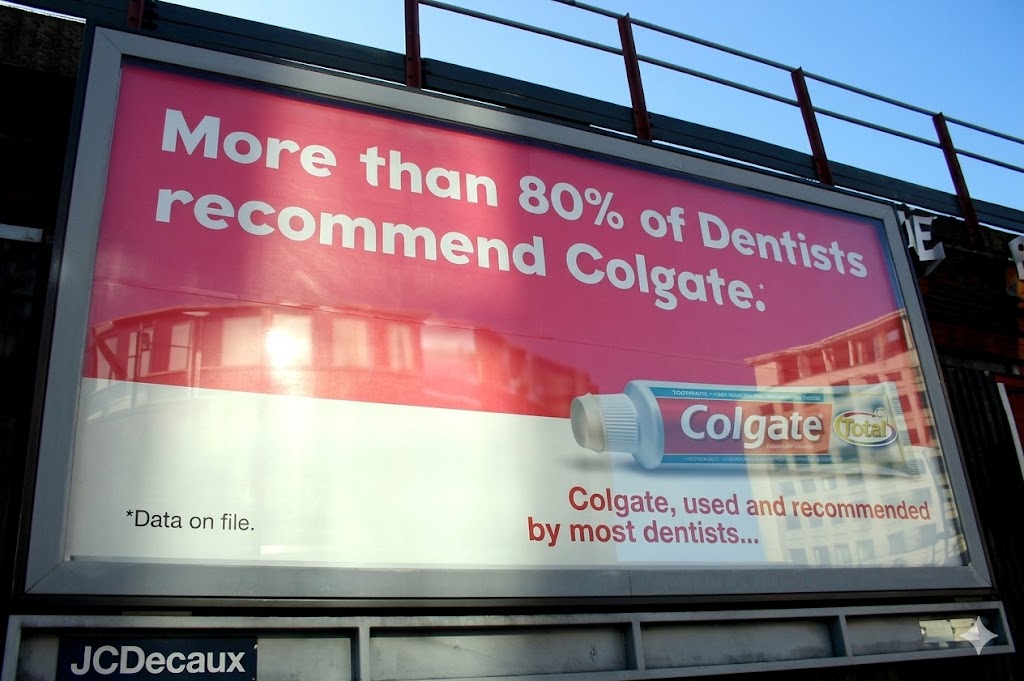
Dentists Recommend Colgate?
In 2007, Colgate ran extensive ads claiming that “More than 80% Of Dentists recommend Colgate” and “Colgate, used and recommended by most dentists”. In fact, the dentists had been asked what brands they recommended to their patients – nearly all recommended several brands, among which was Colgate. But the phrasing of the ad implied that Colgate was an overwhelming preference when in fact it was recommended no more often than other brands. The UK Advertising Standards Authority (ASA) found the ads to be misleading, and forced the company to discontinue the ads. This case is frequently cited as an example of misleading statistics in advertising.
Common Forms of Hasty Generalization
You’ll see this fallacy in many areas:
- Consumer Reviews
One bad product → “This brand is awful” - Workplace Judgments
One mistake → “They’re unreliable” - Social Observations
A few examples → “People like that always…” - Media Narratives
A single incident → sweeping claims about larger groups or trends
Each case turns limited data into a broad conclusion.
Why It’s Dangerous
Hasty generalizations can lead to unfair and inaccurate beliefs.
When conclusions are based on too little evidence:
- Good options may be dismissed
- People or groups may be judged unfairly
- Decisions may be based on incomplete information
Over time, this can reinforce stereotypes and distort reality.
How to Spot (and Challenge) It
When you hear a sweeping claim, ask:
- How many examples is this based on?
- Is this enough data to support the conclusion?
- Could there be other explanations?
A useful follow-up question:
“Is this always true—or just sometimes?”
That small shift can bring nuance back into the conversation.
The Bottom Line
Hasty generalizations turn a few data points into a final verdict.
They feel convincing because they simplify the world—but they often do so at the cost of accuracy.
Because one experience…
is not the same as the whole story.