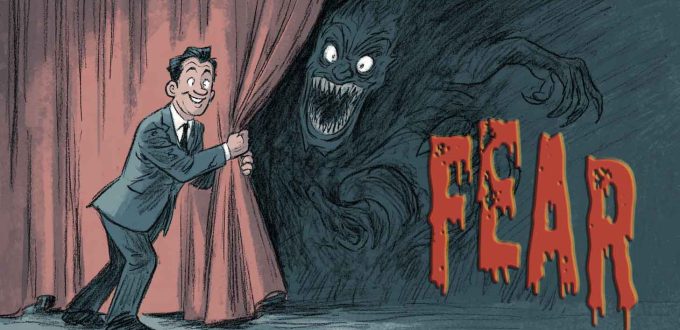
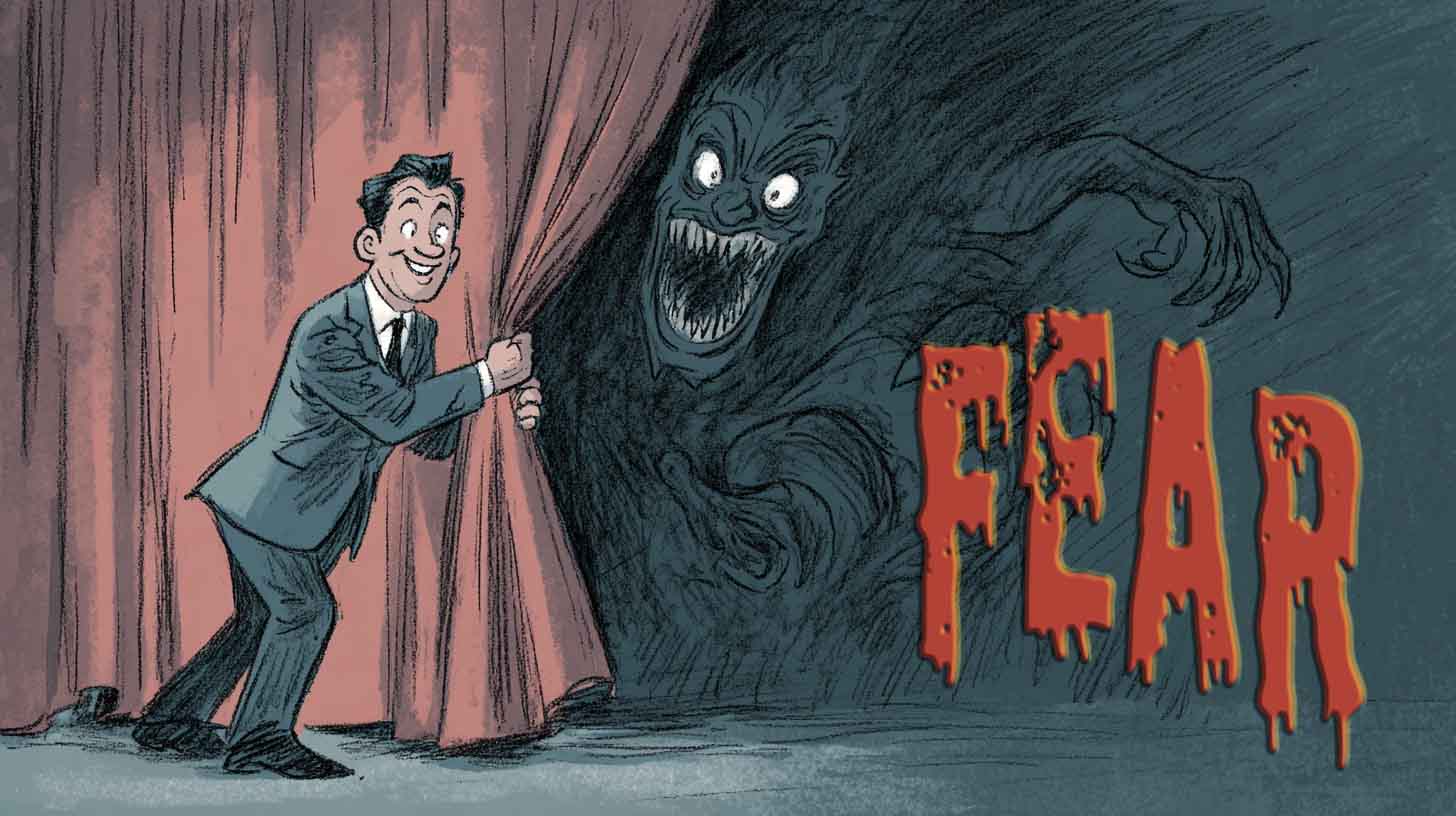
When Panic Replaces Proof “Act now—or it could be too late.” Few phrases are as powerful as a warning. Fear grabs attention, speeds up decisions, and makes risks feel immediate and personal. But when fear is used instead of evidence to persuade, it becomes a logical misstep known as the appeal to fear fallacy. What […]
You are browsing archives for
Category: Uncategorized
False Equivalence
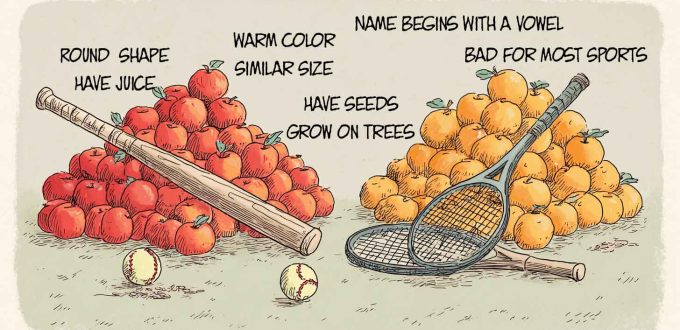
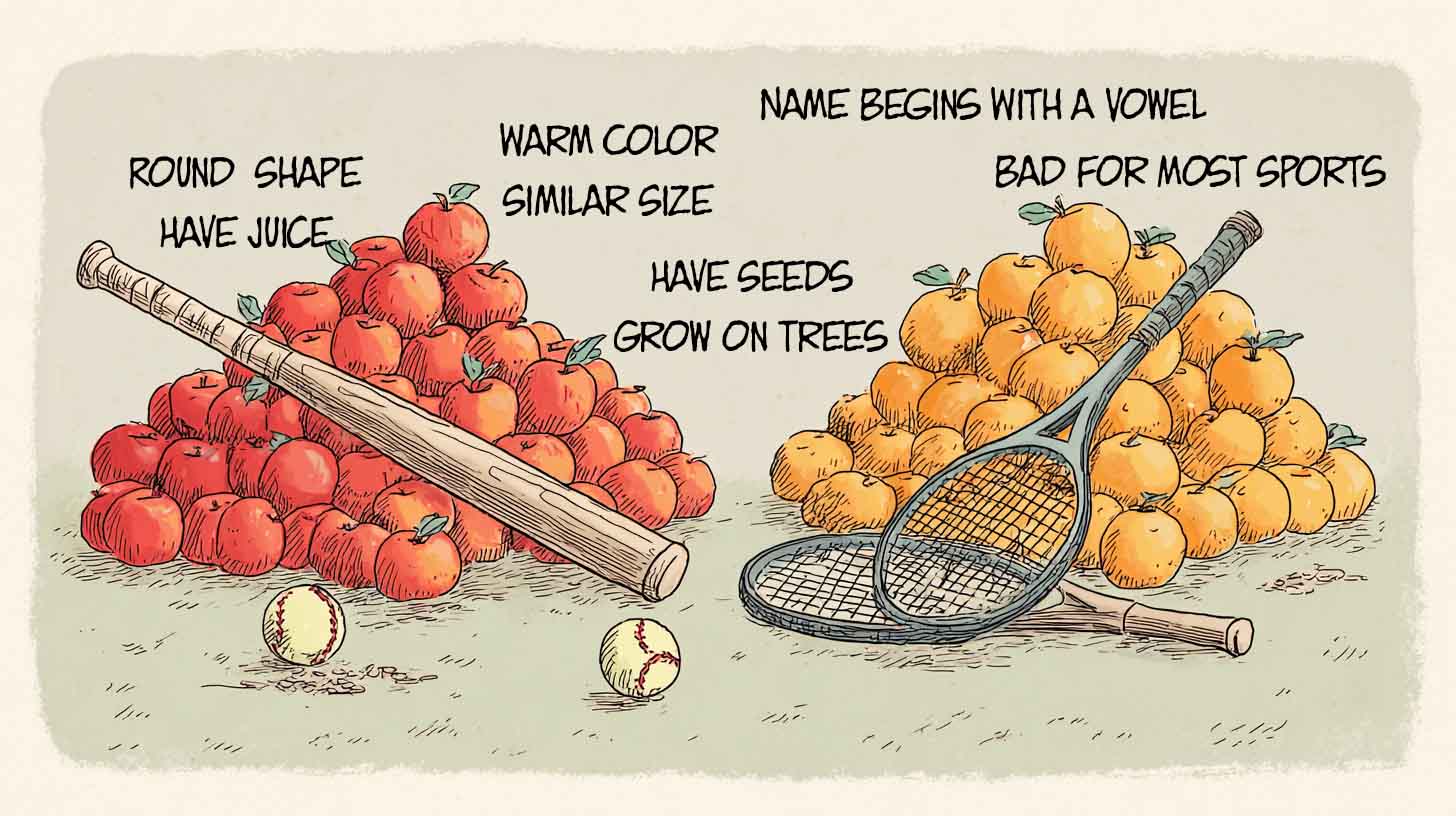
When Two Things Are Treated as Equal (But Aren’t) “Both sides are just as bad.” It’s a phrase that sounds fair, balanced—even wise. But sometimes, it hides a serious flaw in reasoning. This is the false equivalence fallacy: treating two things as if they are essentially the same, even when important differences make the comparison […]
Hasty Generalization (Secundum quid)
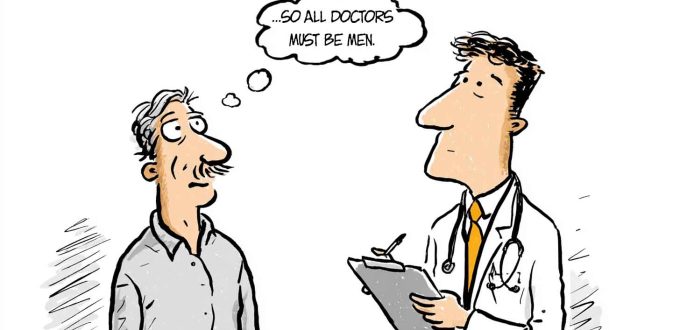
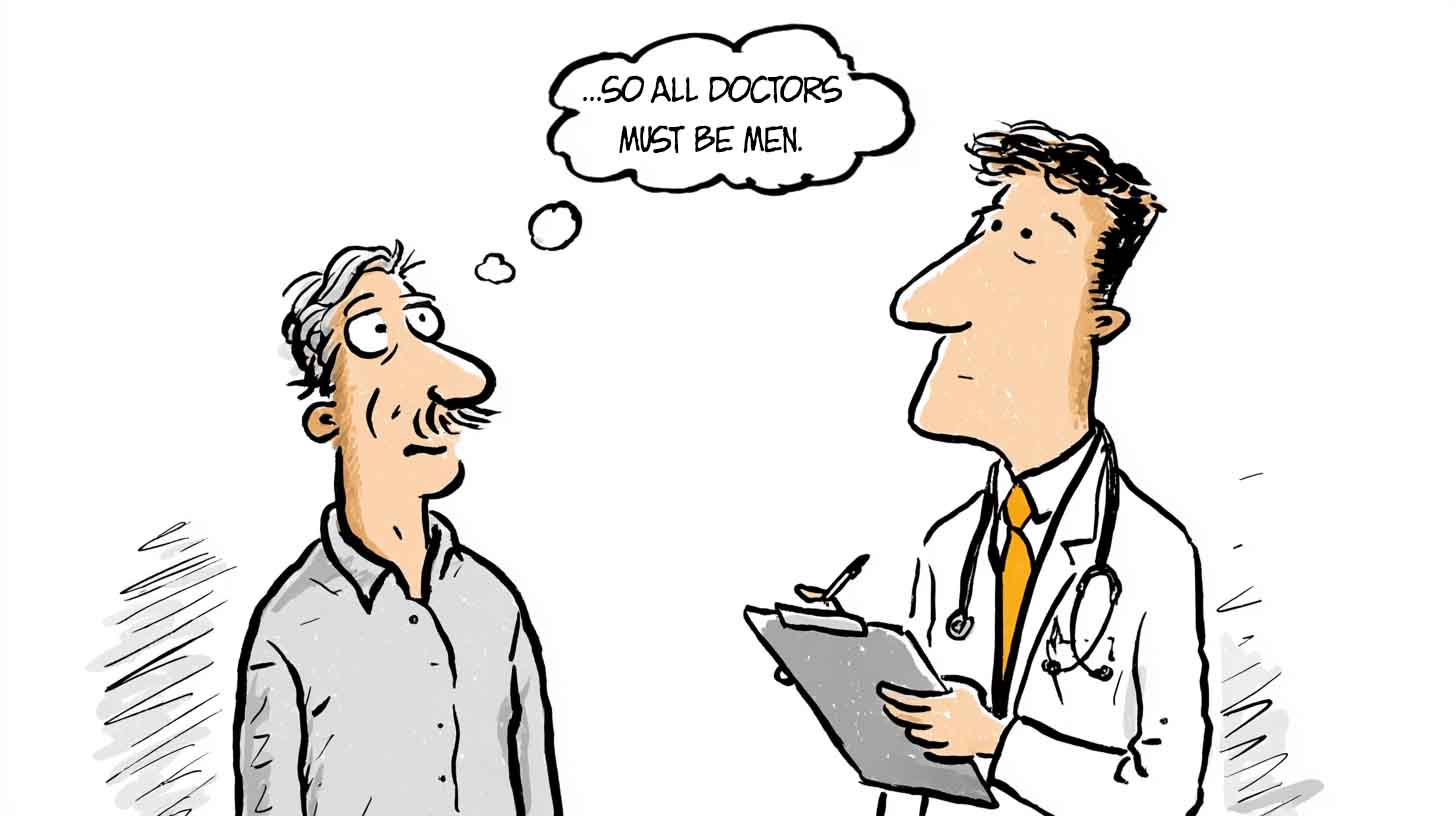
When a Few Examples Become “Proof” You try a new restaurant once. The service is slow, the food is disappointing, and you leave frustrated. Later, you tell a friend: “That place is terrible.” But is it really? What you’ve just done is make a hasty generalization—drawing a broad conclusion based on limited evidence. What Is […]
Red Herring (Ignoratio elenchi)

The Art of Changing the Subject Without You Noticing You ask a straightforward question:“Why did the project go over budget?” The response:“Well, what we should really be talking about is how hard the team has been working and how much progress we’ve made.” That may sound relevant—but it doesn’t actually answer the question. Welcome to […]
Trickery Based On Scale
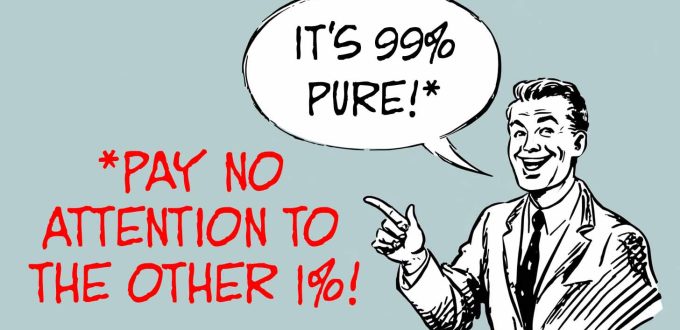

This is really not a logical fallacy, it is a technique of misdirection that is based on the average person’s poor concept of large numbers. A perfect example comes from the infamous John Locke Foundation in North Carolina, a think tank (pronounced “propaganda propagator”) almost entirely funded by ultraconservative libertarian Art Pope. Pope also funds […]