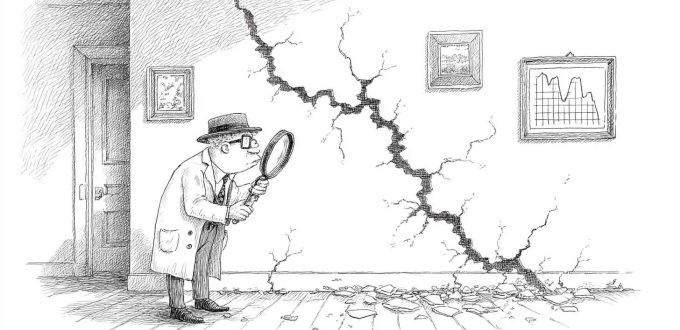
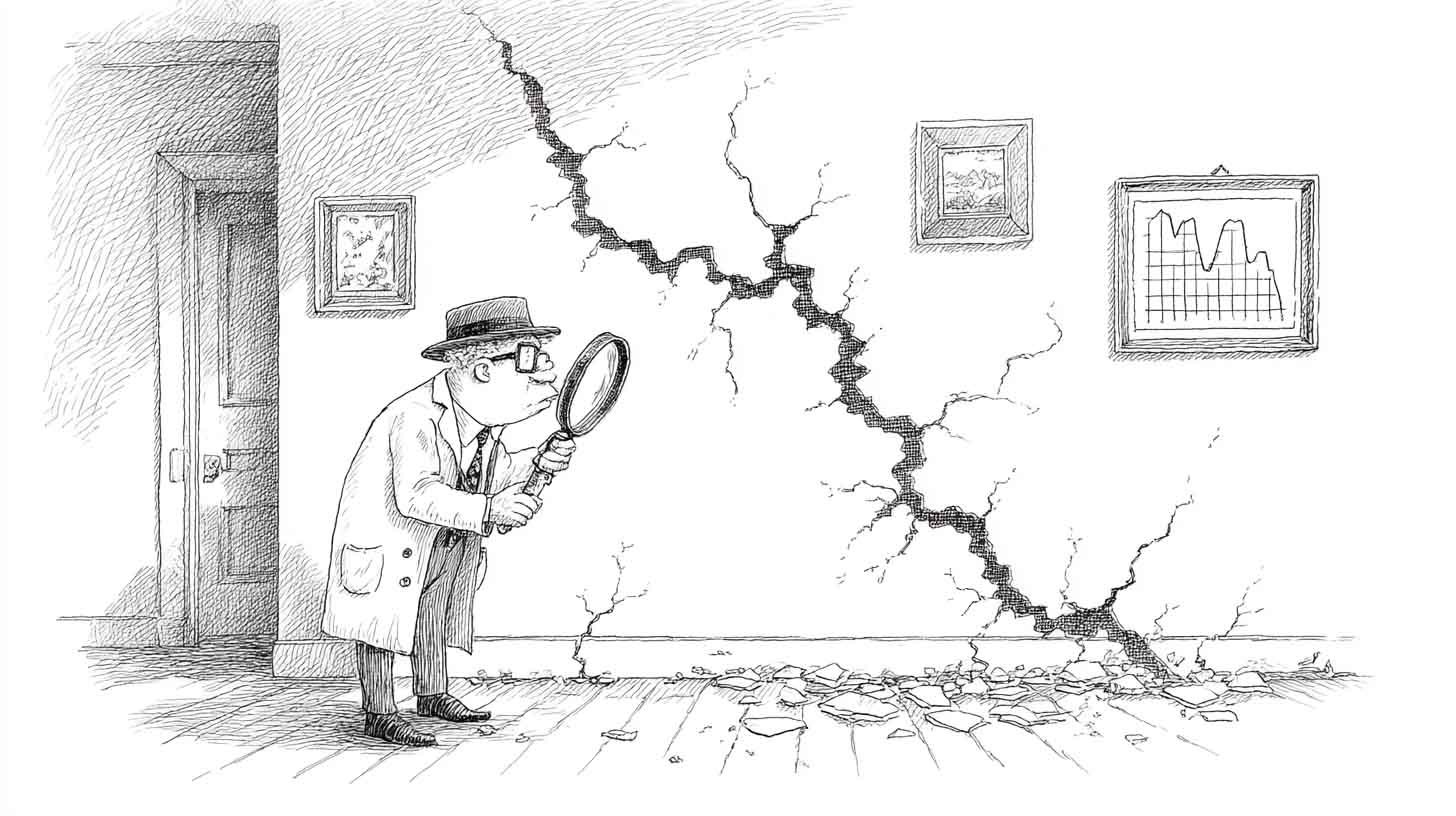
When Coincidence Gets Mistaken for Proof “Ever since I started drinking this tea, I feel amazing.” “After that policy was introduced, crime dropped.” “Every time I wear these socks, my team wins.” We hear claims like these all the time. They sound reasonable—after all, one thing did happen after the other. But that doesn’t mean […]
You are browsing archives for
Category: Logical Fallacy
The Slippery Slope (Reductio ad absurdum...
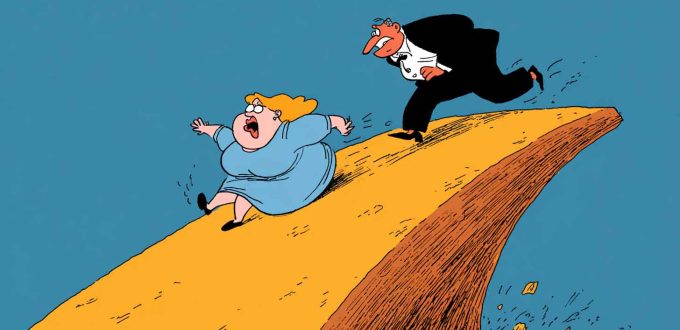
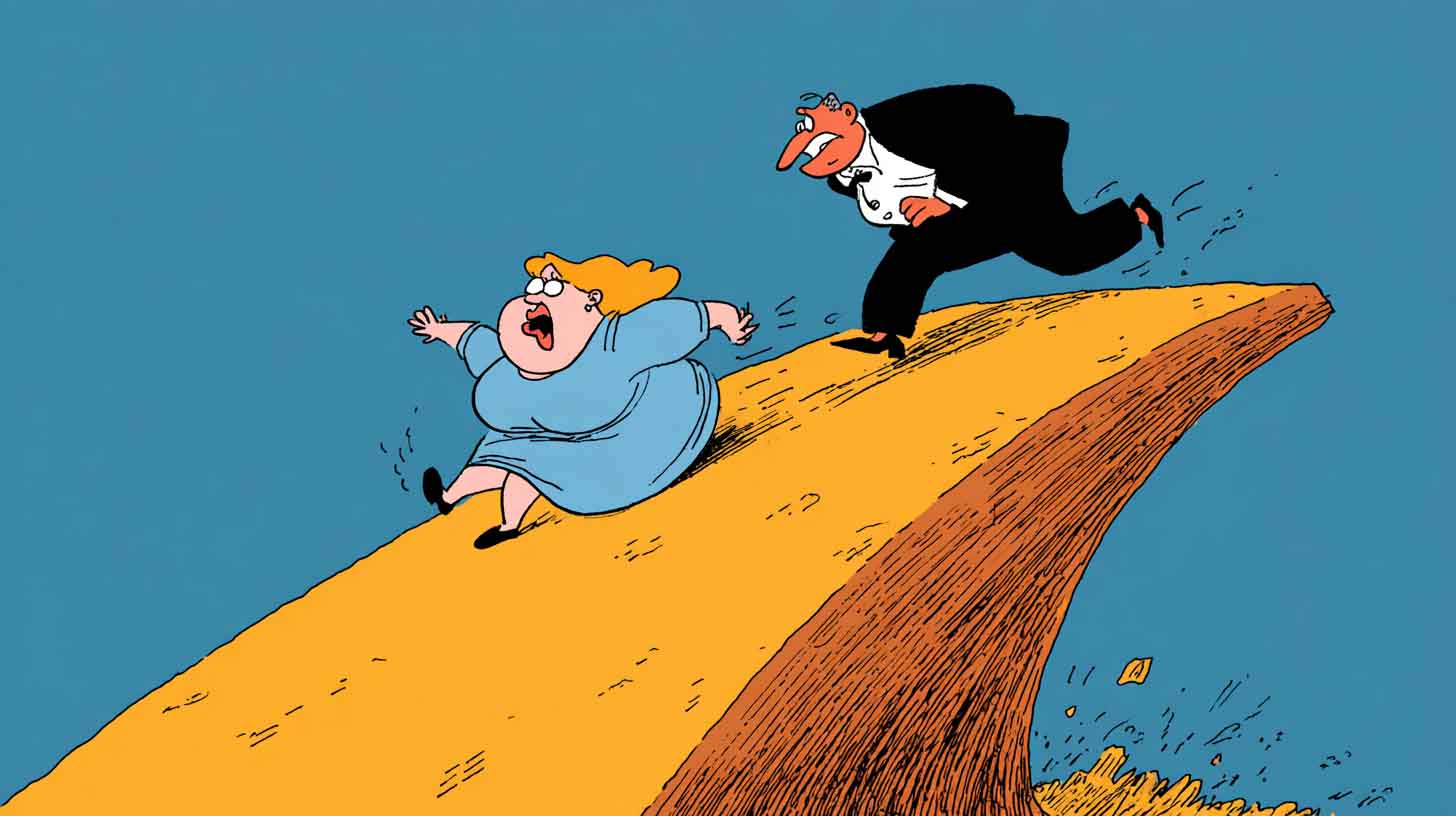
How Small Steps Get Turned into Big Fears “If we allow this, what’s next?” It’s a familiar line in debates, headlines, and everyday conversations. A small change is proposed—and suddenly, someone is predicting a cascade of disastrous consequences. That’s the slippery slope fallacy: the idea that one action will inevitably trigger a chain reaction leading […]
The Bandwagon Fallacy (Argumentum ad pop...
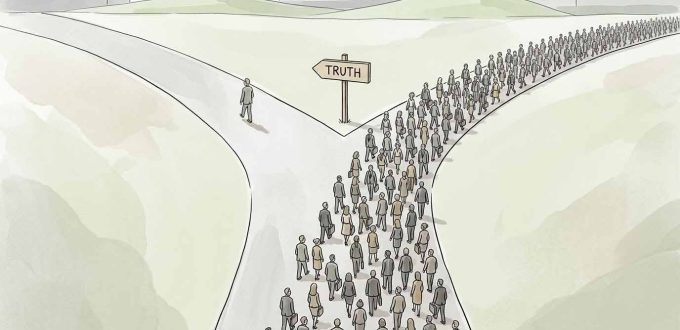
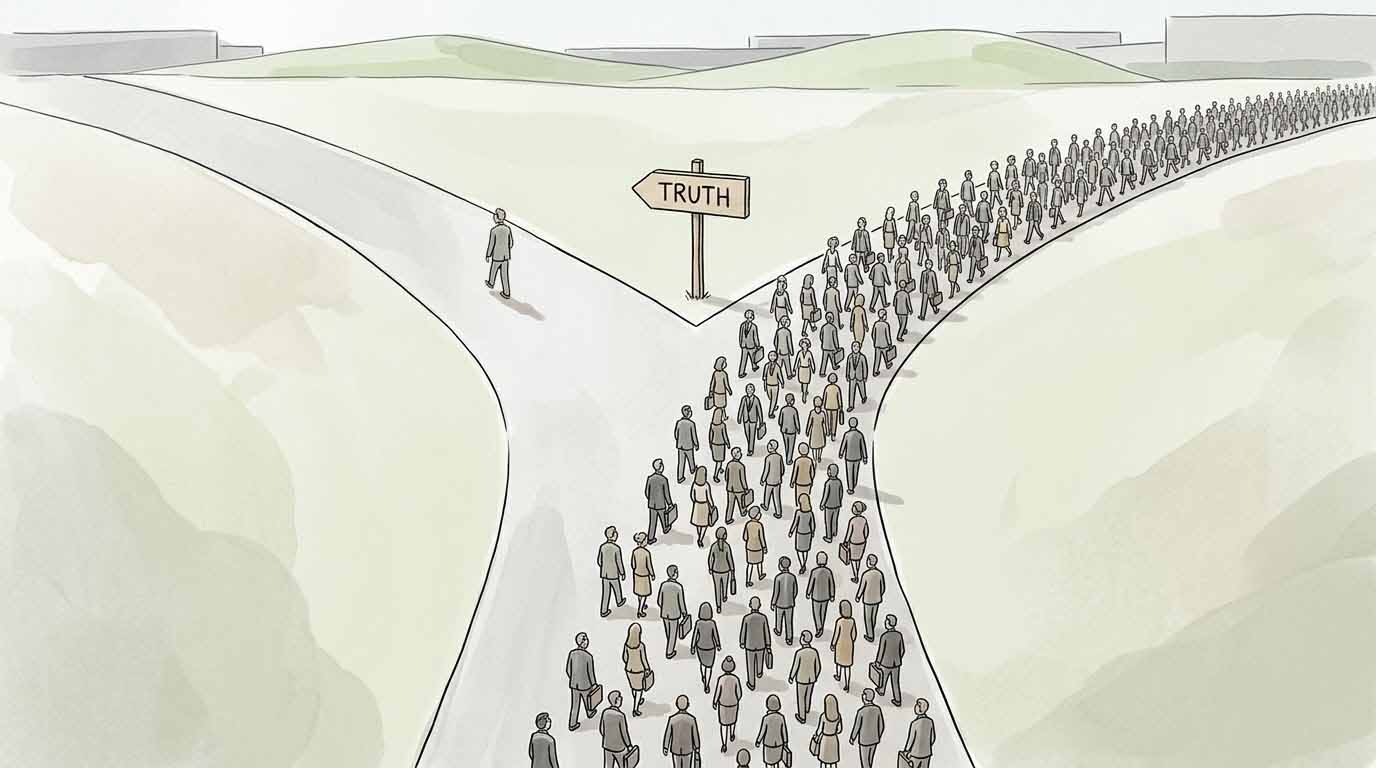
When “Everyone’s Doing It” Becomes the Argument “Join the millions who have already switched.” “America’s #1 choice.” “Everyone is talking about it.” You’ve heard these lines countless times—and they’re designed to trigger a simple instinct: If everyone else is on board, maybe I should be too. That’s the bandwagon fallacy, a persuasive tactic that equates […]
The False Dilemma (Argumentum ad falsum ...
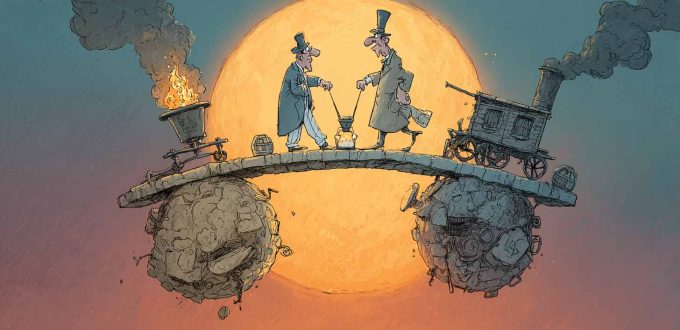
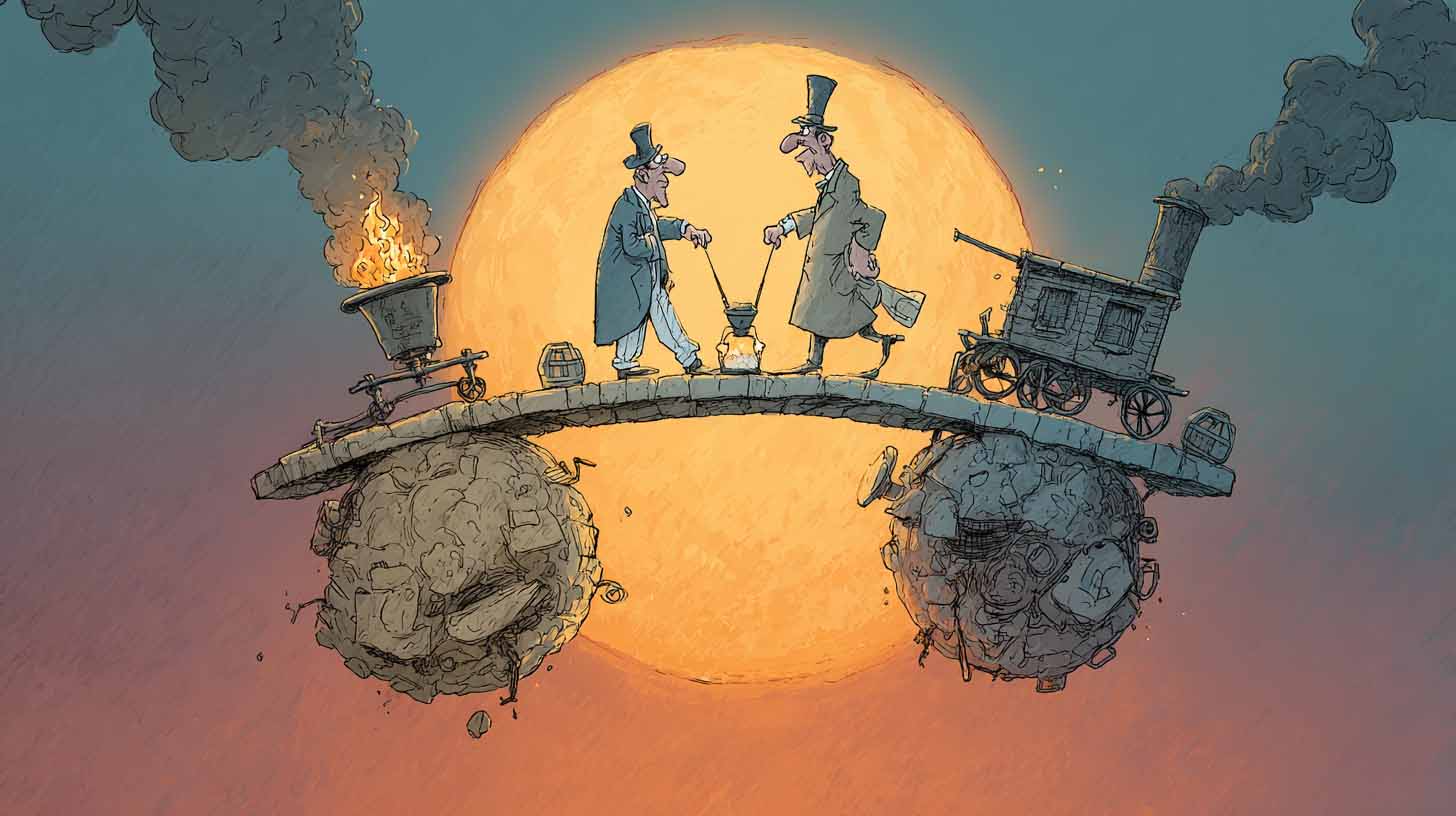
When You’re Given Only Two Choices (But There Are Many) “You’re either with us or against us.” It’s a powerful line. Simple. Clear. Memorable. And often… completely misleading. This is the false dilemma fallacy—also known as the false dichotomy. It happens when someone presents a situation as having only two options, when in reality, there […]
The Straw Man Fallacy

Winning Arguments Against Things No One Actually Said Imagine you’re in a discussion about improving school lunches. You suggest adding healthier options—more fresh vegetables, less processed food. The response? “So you want kids to starve because they won’t eat rabbit food?” That’s not your argument. Not even close. Welcome to the straw man fallacy—one of […]
Attack the person (Ad hominem)



The loudest arguments aren’t really arguments at all… just well-aimed insults dressed up as reasoning. When Attacking the Person Replaces the Argument If you’ve ever watched a political debate, scrolled through social media, or sat in a heated meeting, you’ve probably seen this move: someone makes a point… and instead of responding to it, the […]